Dad Joke I Think You Mean Rad Jokes: A Vintage Design Review
I’m looking at a new embroidery design on my screen, a file titled Dad Joke I Think You Mean Rad Jokes. I’ve been in this field long enough that my first thought isn’t just about aesthetics; it’s about how this digital file will translate into thread and fabric, and whether it’s a design I’d confidently use for a client project or my own shop’s merchandise. Let’s walk through what makes this vintage-style design stand out and where it might shine.
The Immediate Charm and Personality
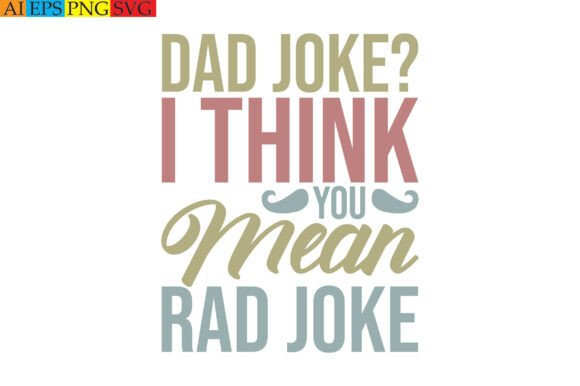
You get a feel for a design’s mood right away. This one has that playful, retro vibe the description promises. The phrase “I Think You Mean Rad Jokes” wrapped around a classic “Dad Joke” banner immediately feels warm and humorous. It’s not overly intricate, which is a huge plus for embroidery. The layout suggests a clear focal point with likely bold, clean shapes—excellent for stitch definition. This isn’t a delicate floral piece; it’s a statement with personality. It creates a mood of affectionate teasing and nostalgia, perfect for gifts or casual apparel.
The Natural Habitat for This Design
So, where does this design naturally belong? I picture it instantly on a well-made cotton sweatshirt or a sturdy canvas tote bag. The vintage style lends itself to items that feel timeless and handmade. Think Father’s Day gifts, of course, but also general dad-lover merchandise for a small shop. It would work beautifully on a pillow cover in a cozy living room or a kitchen towel as a fun gift. Because the theme is so universal, it could easily be a staple product for an Etsy seller focusing on family-oriented gifts.
Performance in Real Embroidery Situations
Now, for the practical judgment. A design file with multiple formats—like the AI, EPS, PNG, and SVG mentioned—is always a good sign. It gives flexibility for editing, scaling, and preparing for the embroidery machine. The high-resolution PNG (4500 x 5400) indicates it can be scaled for larger projects without losing detail, which is crucial for creating printable mockups and assessing size.
In real stitching, I imagine the main shapes would use satin stitches for the lettering and fill stitches for the banner areas. The vintage aesthetic usually means slightly softer edges, which can be forgiving in embroidery. This design would likely stitch out cleanly on medium-weight fabrics: cotton tees, denim, twill caps, and linen aprons. It feels like a design that would add significant value to a simple product, turning a basic tote into a clever, giftable item.
- For custom apparel: On a sweatshirt or t-shirt, it becomes a conversation starter.
- For handmade products: On a tea towel or patch, it elevates the item with personality.
- For commercial projects: A boutique could use it on a line of dad-themed merchandise with confidence.
- For digital product sellers: The multiple file formats make it a versatile asset for other creators.
Where Caution Is Needed
Every design has its limits, and a smart embroiderer thinks ahead. The likely bold lettering here is good, but if there are any tiny decorative accents or very small text within the design, those could be problematic on textured fabrics or in very small hoop sizes. I’d be careful stitching this onto thin, stretchy jersey without proper stabilizer, as the stitch density needed for the fills might cause puckering. Dark fabric backgrounds would require careful thread color choice for contrast—a white or light-colored satin stitch on black denim could look stunning, but you’d need to test it.
Curved surfaces like caps can be tricky if the design is very wide; checking the dimensions before hooping is essential. And for products meant for frequent washing, like baby clothes or kitchen linens, ensuring the stitch structure is secure and using quality thread is paramount.
Impact on Your Product and Business
Using a design like this isn’t just about making an item; it’s about what that item communicates. A well-embroidered Dad Joke I Think You Mean Rad Jokes design on a tote bag conveys a sense of handmade care and clever wit. It increases the perceived value, making it more giftable. For a small business owner, consistent use of such a recognizable, theme-driven design can build a niche brand—think “curated vintage humor gifts.” Customers react to personality, and this design has it.
It fosters buyer engagement because it’s relatable. It also looks professional when stitched cleanly; a messy stitch-out would undermine the vintage charm. For an embroidery designer, offering a finished product with this design means you’re providing more than a logo—you’re providing a mood and a story.
Essential Designer Notes Before You Hoop
Before I’d run this for a client or my shop, my process would be practical and thorough.
- Test on scrap fabric first: Always. Use the same fabric and stabilizer you plan for the final product.
- Check thread color contrast: Run a section in black and white mockups digitally to see light/dark performance.
- Review stitch density in the file: If the design file allows preview, look for overly dense areas that might strain lightweight fabrics.
- Confirm your hoop size: Ensure the design dimensions fit comfortably within your available hoops for the project.
- Inspect small details: Zoom in on the provided PNG to see if any corners or tiny elements might not translate well to stitches.
- Confirm licensing: The product description doesn’t specify commercial use. It is imperative to check the license terms before selling any finished items or digital products derived from this file.
- Use proper stabilizer: Match the stabilizer to the fabric weight and stretch.
This design, Dad Joke I Think You Mean Rad Jokes, falls into the T-Shirt Designs and Graphics category, but its application is far broader. It’s a vintage-style graphic that, with thoughtful embroidery execution, can become a beloved element on a range of products.
The Final Stitch: A Design Worth Considering
My review as a designer ends with a confident sense of its potential. Dad Joke I Think You Mean Rad Jokes offers a strong visual personality that’s well-suited for the handmade market. It’s a design that feels ready for real projects—from a custom embroidered patch for a dad’s jacket to a series of holiday gift pillow covers for a craft fair. Its success will hinge entirely on the embroiderer’s skill and preparation: testing, stabilizing, and choosing the right fabric partner. But if you do that groundwork, this vintage joke has the rad potential to become a staple in your creative repertoire.